Cart
0
You may also like


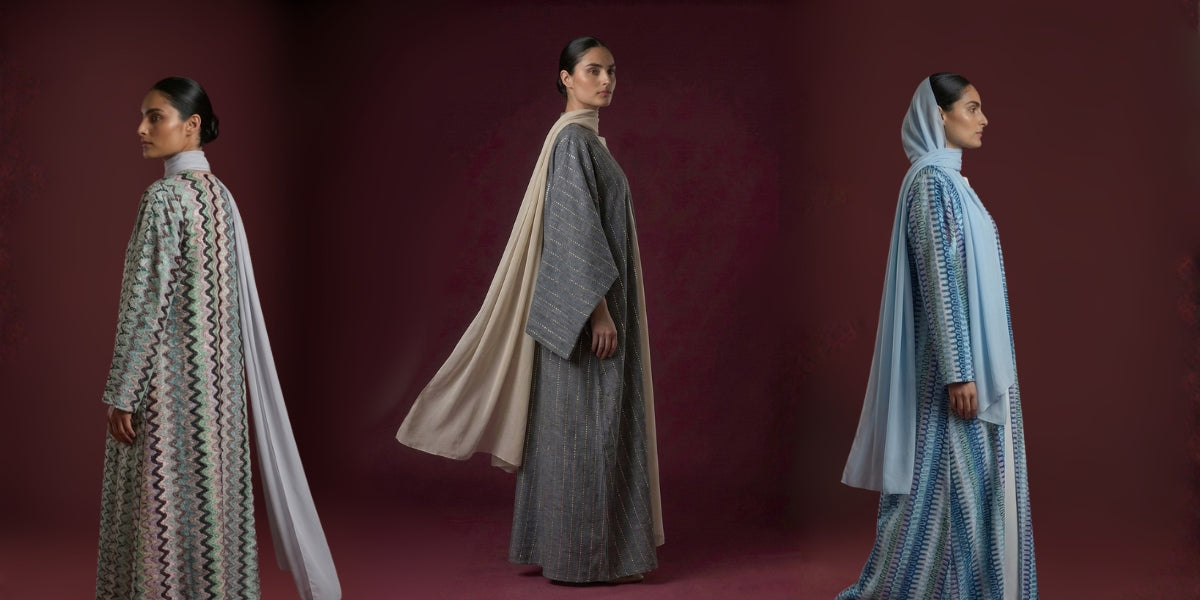
Ramadan is a month of stillness, clarity, and inward grounding—yet it is also a time filled with gatherings, community, and quiet celebration. As the crescent moon ushers in evenings of prayer, family, and reflection, women naturally turn to clothing that reflects the spirit of the season: graceful silhouettes, soft palettes, and a sense of composure that feels both spiritual and refined.
Across the Middle East, South Asia, and beyond, Ramadan fashion has evolved into a genre of its own—an aesthetic anchored in calm elegance, fluid fabrics, and pieces that honor modesty without sacrificing beauty. Publications like Vogue Arabia and Harper’s Bazaar often explore Ramadan capsules and kaftan edits, celebrating how regional craftsmanship intersects with modern luxury.
As the month leads into Eid, the palette brightens. Eid outfits become an expression of joy—a moment to celebrate heritage, femininity, and quiet glamour.
This guide offers a curated approach to dressing for the month of grace, blending tradition with contemporary style.
Ramadan days call for ease: silhouettes that breathe, fabrics that float, and tones that soften the day’s rhythm.
Look for:
Unrestricted lines
Lightweight draping
Muted, serene hues
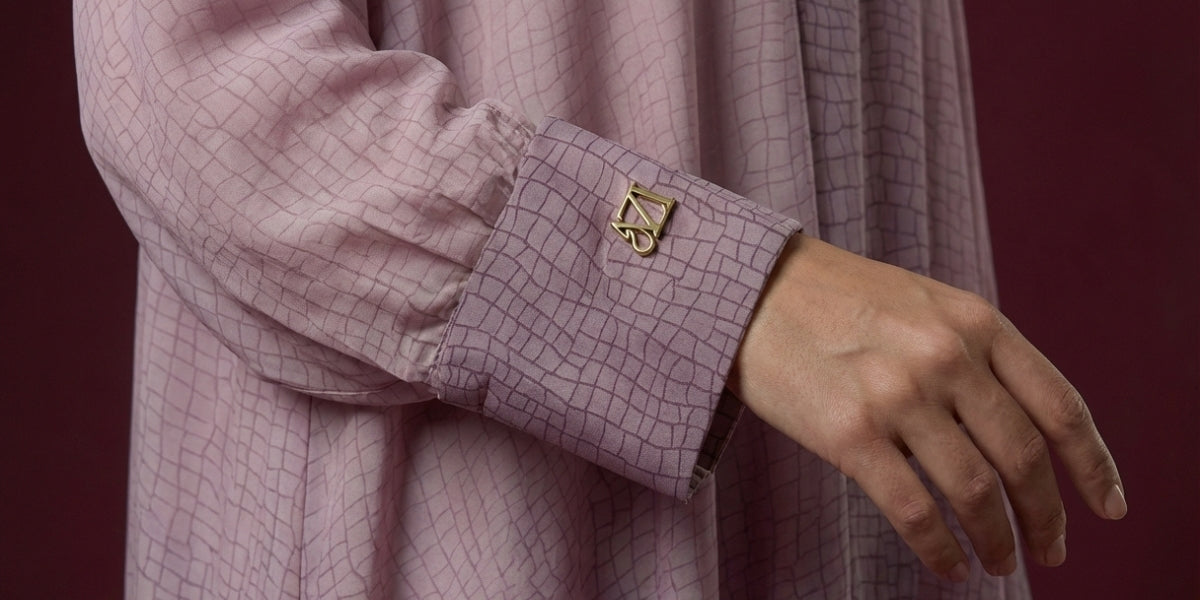
Understated embellishments
Pieces inspired by fashionable modest clothing—flowing dresses, long tunics, soft trousers—create the foundation for calm dressing. These designs match the spirit of Ramadan: unhurried, thoughtful, and composed.
Fabrics matter deeply in warm climates. Chiffon, crepe, satin, linen blends, and high-twist cottons allow your body to move freely through moments of prayer, reflection, and evening gatherings.
As the sun sets, Ramadan nights come alive with family iftar tables, community gatherings, and quiet dinners. This is where modest occasionwear becomes essential.
Look for evening silhouettes that sit at the intersection of comfort and elegance:
Kaftans with architectural drape
Tunic sets with minimal metallic accents
Satin skirts with fluid movement
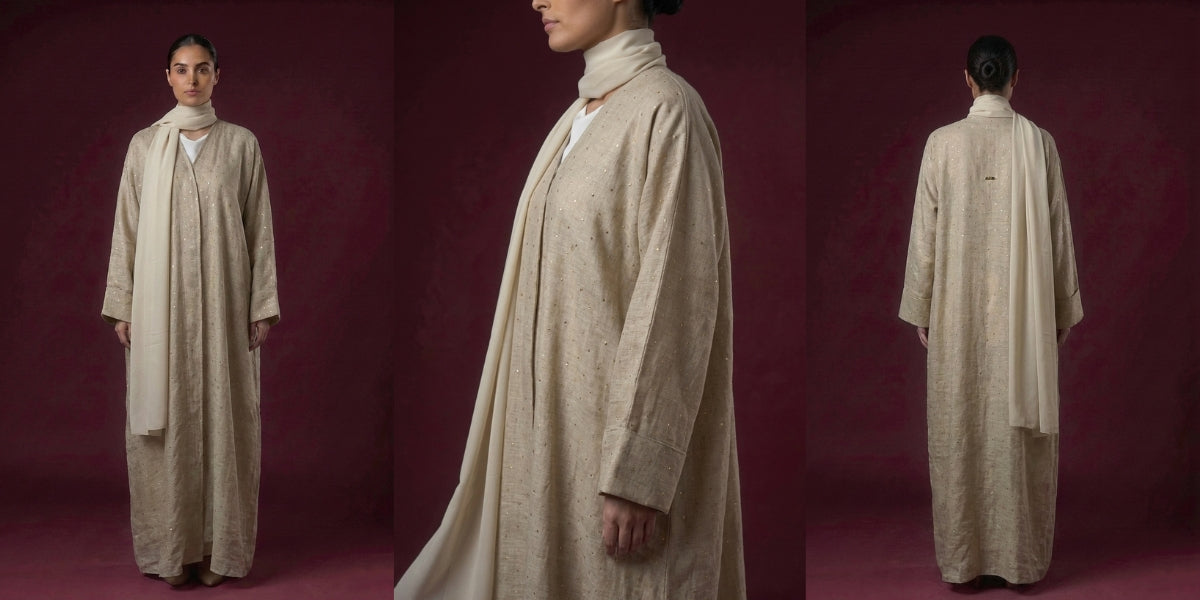
Tailored abayas with soft beading
These are not “trend” pieces—these are heirloom silhouettes that return each year. Just as BOF has observed, the global appetite for modest eveningwear is steadily rising due to its timeless appeal.
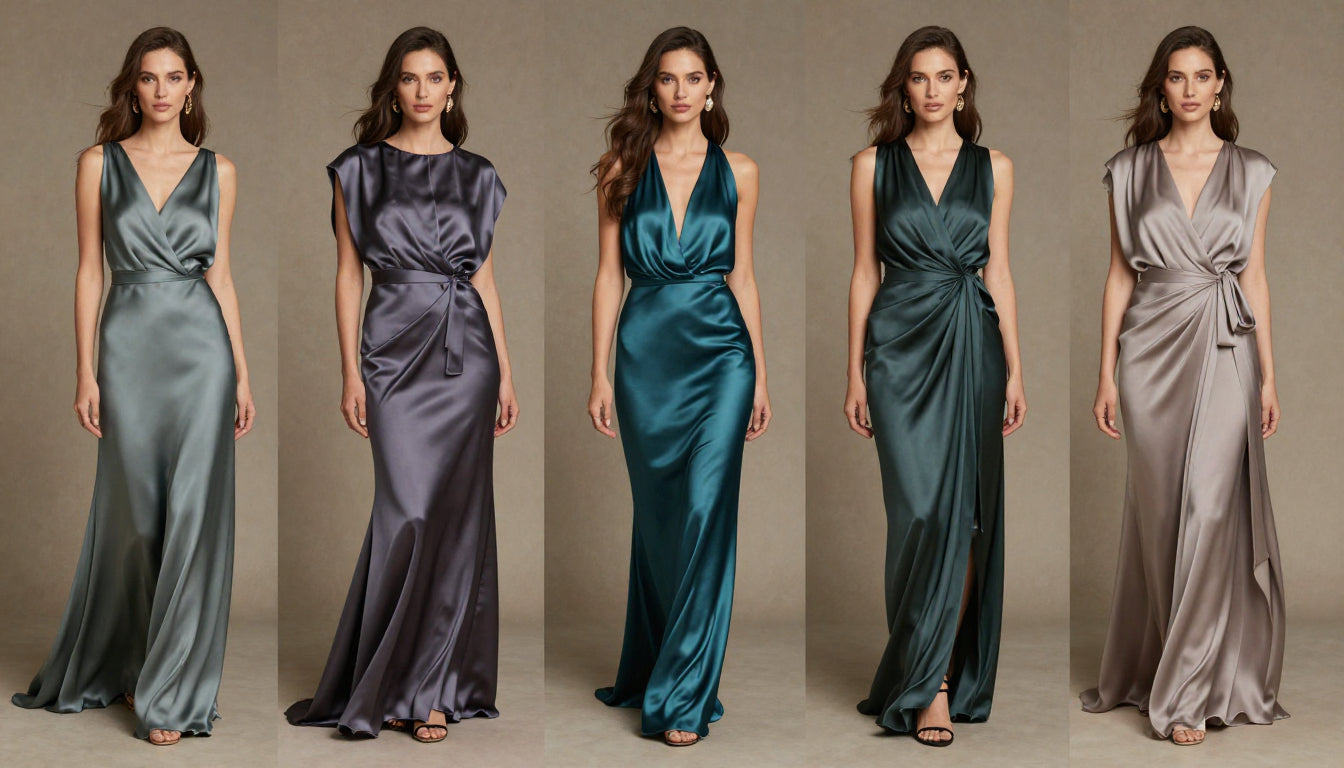
Soft golds, pearl whites, blush silks, deep olives, and desert-inspired neutrals feel especially resonant during Ramadan evenings.
Stylists often describe modest fashion today as “heritage redefined.” Ramadan offers a natural space to blend cultural silhouettes with modern tailoring.
Think:
A kaftan paired with subtle accessories
A pleated skirt with a refined evening top
Linen tunics layered over softly structured trousers
Items such as long skirts for women, wide leg trousers, and womens long sleeve tops become building blocks for multiple looks throughout the month.
These staples allow for versatility: the same foundation can be worn for a family iftar, a work gathering, or quiet evenings of worship.
Eid morning arrives with renewed joy—a shift in palette and energy. If Ramadan is serenity, Eid is softness wrapped in celebration.
When selecting Eid outfits, consider styles that feel elevated yet effortless:
Satin and crepe dresses with architectural draping
Coordinated sets with gentle embellishment
Pleated skirts paired with embroidered tops
Statement abayas in tonal palettes
The goal is not extravagance—it is refinement. Pieces that honor the moment while still carrying the grace of the month.
Statement jewelry, delicate metallic accents, and softly structured handbags complete the Eid silhouette beautifully.
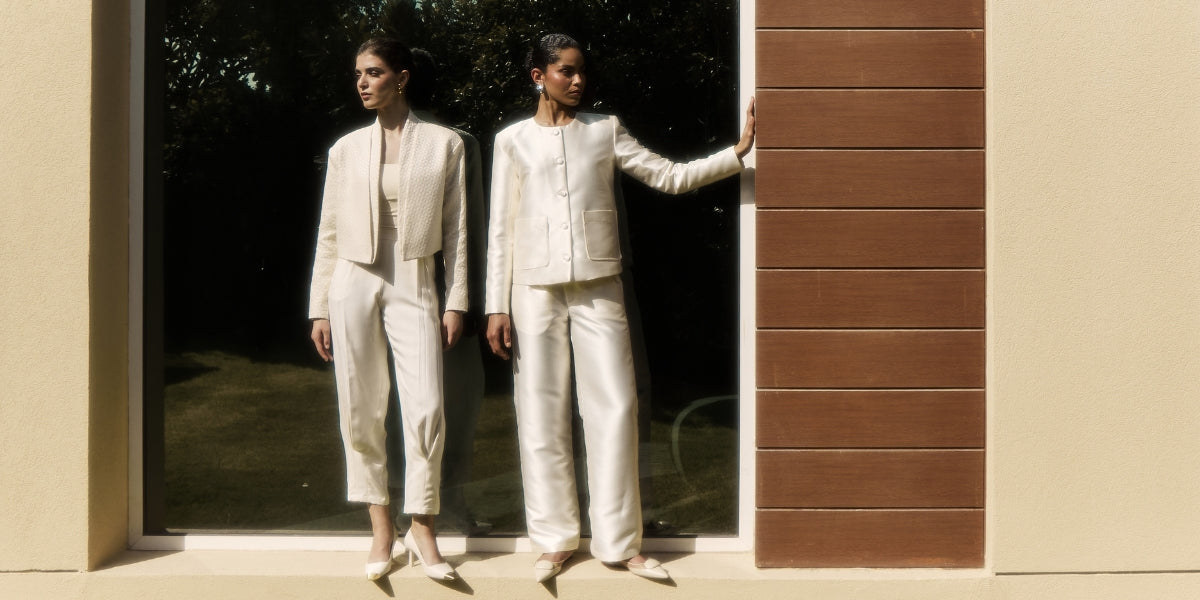
A key trend emerging across the Gulf and modest fashion markets is the rise of coordinated sets. They create a polished presence with little styling effort—a valuable asset during busy Ramadan evenings.
Co-ords offer harmony in color, tone, and proportion. A flowing skirt paired with a matching blouse or a lightweight trouser set can help you move from iftar to suhoor with ease. The right co-ord can serve as elegant modest trendy outfits without feeling overstyled.

While personal style always comes first, the season invites particular palettes:
Sand, ivory, stone
Blush, rosewater, muted gold
Deep olive, cocoa, slate
Soft metallics in champagne and pewter
These hues reflect the desert at sunrise, the late-evening sky, and the warmth of Ramadan nights.
Vogue Arabia often highlights these palettes in Ramadan editorial spreads: colors that feel natural, tranquil, and grounded.
Ramadan is a month grounded in mercy, discipline, and quiet reflection. Clothing should support your energy—not drain it. Think of comfort as part of the spiritual experience.
Pieces similar in spirit to breathable skirts for women, fluid trousers, or longline layers prevent overheating and support long evenings of gatherings and prayer.
This is where modest fashion differs from conventional eveningwear—it respects the wearer first.
Jewelry in Ramadan and Eid styling should be soft, intentional, and symbolic.
Consider:
Minimal gold earrings
A single statement bracelet
A sculpted clutch
Satin or leather flats for comfort
Accessories complete the narrative, adding a touch of celebration without overwhelming the silhouette.
Ramadan and Eid invite us into a space where beauty is purposeful. Where clothing becomes an expression of grace, gratitude, and cultural elegance.
Whether you are choosing gentle Ramadan silhouettes or elevated Eid outfits, the guiding principles remain the same: intention, refinement, and harmony.
Through fluid drapes, quiet embellishments, and soft palettes, modest fashion becomes a way to honor the spirit of the season—one thoughtful layer at a time.